Understanding Castleman Disease: A Rare Lymph Node Disorder
Castleman disease (CD) is a complex and often misunderstood group of rare disorders characterized by the distinctive enlargement of lymph nodes and a wide array of associated symptoms. Affecting individuals of all ages, this condition stems from an abnormal overgrowth of immune cells within the lymph nodes, leading to systemic inflammation and potential organ dysfunction. Because its symptoms can mimic those of many other conditions, Castleman disease presents significant diagnostic challenges, often requiring a high degree of medical vigilance and specialized expertise.
Our immune system relies on lymph nodes and the lymphocytes residing within them to protect us from invading pathogens. In Castleman disease, for reasons not yet fully understood, these crucial components of our immune defense undergo a transformation. This transformation leads to an uncontrolled overproduction of lymphocytes and other inflammatory compounds. The result is not just enlarged lymph nodes, but a cascade of inflammatory responses that can affect various organs and systems throughout the body, underscoring the serious nature of this rare disorder.
The Diagnostic Maze: Why Castleman Disease Is Hard to Pinpoint
One of the most daunting aspects of Castleman disease is its elusive nature when it comes to diagnosis. Patients often experience a broad spectrum of symptoms, ranging from localized discomfort to severe, systemic issues, which unfortunately overlap considerably with signs of other more common diseases. This similarity can lead to prolonged diagnostic journeys, misdiagnoses, and significant distress for patients and their families. Conditions such as autoimmune disorders, various infections, and even certain cancers can present with enlarged lymph nodes and inflammation, making differential diagnosis particularly challenging.
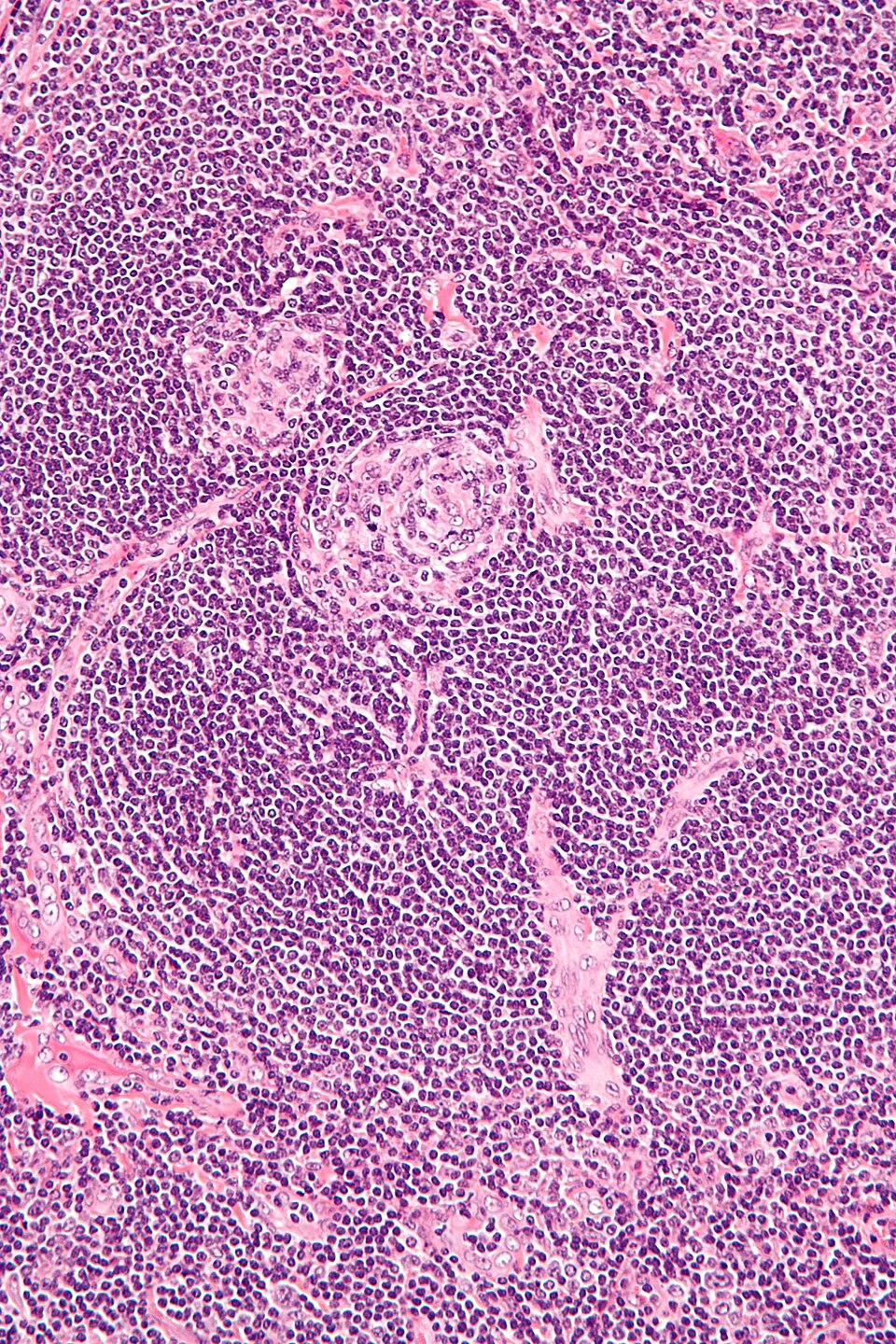
Given this complexity, a definitive diagnosis of Castleman disease hinges on a crucial step: a lymph node biopsy. This isn't just a simple test; it's a meticulous process where an enlarged lymph node is surgically removed and then examined by a pathologist under a microscope. The pathologist looks for specific microscopic features and changes within the lymph node tissue that are characteristic of CD. This detailed pathological analysis is paramount because it helps to accurately identify Castleman disease and, just as importantly, prevents misdiagnosis in patients who might be suffering from other conditions with similar presentations. Without this critical biopsy, the risk of incorrect treatment or delayed appropriate care remains high. For a deeper dive into this vital diagnostic step, refer to our article: Diagnosing Castleman Disease: Why a Lymph Node Biopsy is Key.
Diverse Manifestations: Unpacking Castleman Disease Subtypes
While all forms of Castleman disease share common microscopic features within the lymph nodes, their clinical presentations, severity, treatment approaches, and overall prognoses can vary dramatically. Understanding these distinctions is fundamental for effective patient management. The primary classifications are Unicentric Castleman disease (UCD) and Multicentric Castleman disease (MCD), though further subtyping within MCD is also critical.
Unicentric Castleman Disease (UCD)
UCD represents the more localized and generally less aggressive form of Castleman disease. It is defined by the involvement of a single enlarged lymph node or a single localized region of enlarged lymph nodes. Patients with UCD might experience discomfort or a palpable mass associated with the enlarged node, and in some instances, may even present with mild systemic symptoms similar to those seen in MCD, albeit less frequently and usually less severely. The silver lining for UCD patients is that surgical removal of the affected lymph node typically resolves the condition, leading to a complete elimination of CD from the patient's system. Post-surgery, most individuals experience no further complications or relapses. It's important to note that, to date, there are no documented cases of UCD progressing or transforming into the more severe Multicentric Castleman disease.
Multicentric Castleman Disease (MCD)
In stark contrast to UCD, Multicentric Castleman disease (MCD) is a systemic disorder involving multiple enlarged lymph nodes throughout the body. This widespread involvement often leads to severe symptoms and can impair multiple organ systems due to pervasive systemic inflammation. MCD itself is further categorized, primarily into two distinct forms:
- HHV-8-associated Multicentric Castleman Disease (HHV-8-MCD): This subtype is linked to an infection with Human Herpesvirus-8 (HHV-8), also known as Kaposi's sarcoma-associated herpesvirus (KSHV). HHV-8 plays a direct role in driving the disease process, and treatment often involves targeting this viral infection.
- HHV-8-negative/Idiopathic Multicentric Castleman Disease (iMCD): In this form, the cause is unknown, and it is not associated with HHV-8 infection. iMCD is characterized by uncontrolled inflammation and hyperproliferation of immune cells for reasons that remain elusive, making it particularly challenging to treat.
Beyond these primary distinctions, the medical community also recognizes other rare subtypes such as Oligocentric Castleman disease (involving a few distinct lymph node regions) and POEMS-associated MCD (occurring in conjunction with POEMS syndrome). The critical takeaway is that the precise subtype of Castleman disease dictates the specific symptoms, the chosen treatment strategy, and the overall prognosis. This nuanced understanding is why accurate subtyping is so vital for effective patient care. For a more detailed comparison of these main forms, check out our article: UCD vs MCD: Decoding Castleman Disease Subtypes and Their Impact.
Living with Castleman Disease: Navigating Rarity and Seeking Specialized Care
The rarity of Castleman disease brings unique challenges beyond its complex biology. Patients often face a significant delay in diagnosis due to the general lack of awareness among healthcare professionals outside of specialized centers. This can lead to a frustrating and emotionally draining journey, as symptoms worsen without a clear explanation or effective treatment.
Practical Tips for Patients and Caregivers:
- Advocate for Yourself: If you or a loved one are experiencing persistent, unexplained lymph node enlargement, especially accompanied by systemic symptoms like fever, night sweats, or fatigue, don't hesitate to seek a second opinion.
- Prioritize Biopsy: Insist on a lymph node biopsy if it hasn't been performed. This is the cornerstone of accurate diagnosis.
- Seek Specialized Care: Given the complexity, connecting with a hematologist or oncologist who has experience with rare diseases, or even better, a center known for treating Castleman disease, can make a significant difference in diagnostic accuracy and treatment outcomes.
- Educate Yourself: While overwhelming, understanding the basics of your subtype and potential treatments empowers you to participate actively in your care decisions.
- Join Support Networks: Organizations dedicated to rare diseases often provide invaluable resources, connect patients, and fund crucial research.
The heterogeneity of symptoms, even within the same subtype, further complicates matters. One patient with iMCD might present predominantly with extreme fatigue and weight loss, while another might struggle with severe fluid retention and organ damage. This individual variability underscores why symptom-based diagnosis is so unreliable and why the objective evidence from a biopsy and specific laboratory markers are indispensable.
Conclusion
Castleman disease is a rare and intricate disorder that impacts the immune system's lymph nodes, leading to varied and often severe clinical presentations. Its elusive symptoms make diagnosis a profound challenge, underscoring the critical need for a comprehensive lymph node biopsy and expert pathological analysis. With distinct subtypes like Unicentric (UCD) and Multicentric (MCD)—further classified into HHV-8-associated and idiopathic (iMCD)—understanding the specific form of Castleman disease is crucial for tailoring effective treatment strategies and predicting patient outcomes. While its rarity presents unique hurdles for patients, continued research and increased awareness offer hope for improved diagnostics, more targeted therapies, and a better quality of life for those affected by this complex condition.